The 2026 back-to-school season reshapes dress codes under dual pressure: the spring-summer shows have imposed new silhouettes, and European regulations are profoundly changing how collections arrive in stores. Two parallel movements that directly influence the pieces available this season and how to create a coherent look.
European Regulations and Fashion: What Changes for the Fall 2026 Collections
Since July 19, 2026, the European regulation ESPR prohibits large companies from destroying unsold clothing and shoes. In practical terms, brands must sell their stock differently: extended sales, second-hand circuits, donations. Collections are becoming more streamlined, with fewer references produced each season.
Another deadline to note: on September 27, 2026, the European directive on environmental claims comes into effect. Vague mentions like “eco-friendly” or “green” without verifiable proof are now heavily restricted. A garment labeled as “sustainable” must rely on controllable data.
These two mechanisms push the market towards circularity. The generalization of extended producer responsibility (EPR) for textiles is expected at the European level by January 2028, promoting repair, recycling, and second-hand as natural extensions of style. For those who want to explore the fashion section of PEPSeo, these regulatory developments illuminate wardrobe choices far beyond mere taste.
Fall 2026 Trend Colors: Burgundy, Chocolate, and Embraced Neutrality
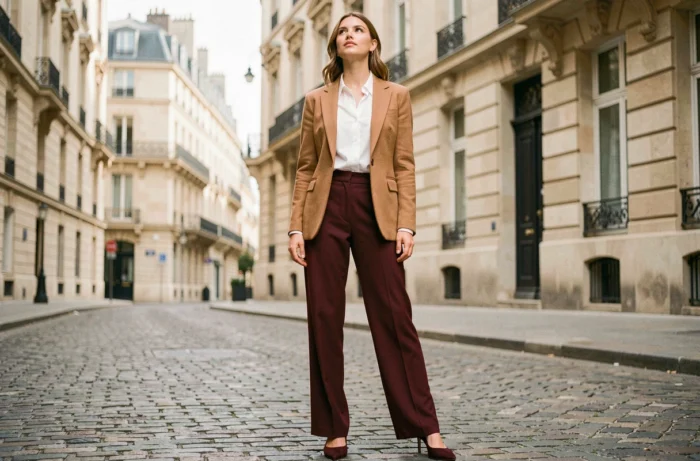
The season’s palette revolves around deep tones. Burgundy stands out as the flagship color of the back-to-school season, present on blazers, knits, and accessories. It is gradually replacing the bright red seen on the spring-summer runways.
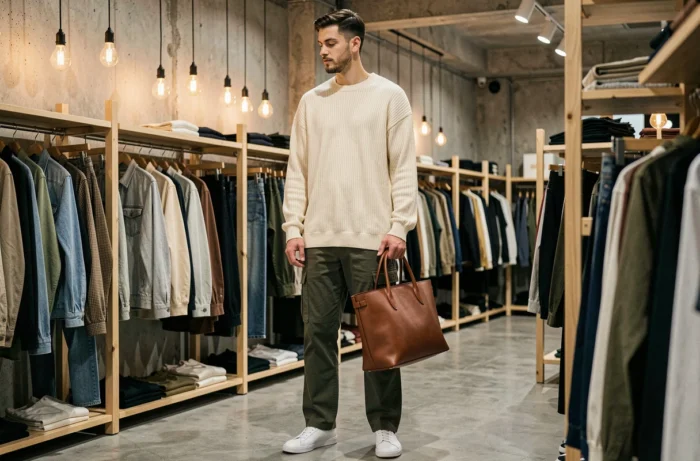
Chocolate, ecru, and khaki form a trio of “new neutrals” that structure everyday outfits. These shades work together effortlessly, simplifying the construction of a look.
In contrast, saturated colors (butter yellow, bright orange) from spring are losing ground. Field reports diverge on this point: some brands continue to push these shades in accessories, but the volumes ordered for fall are significantly lower. The dominant trend remains that of a wardrobe with muted and layerable tones.
Silhouettes and Key Pieces: Blazer, Straight Jeans, and Midi Skirt
Three categories of clothing are in focus this season.
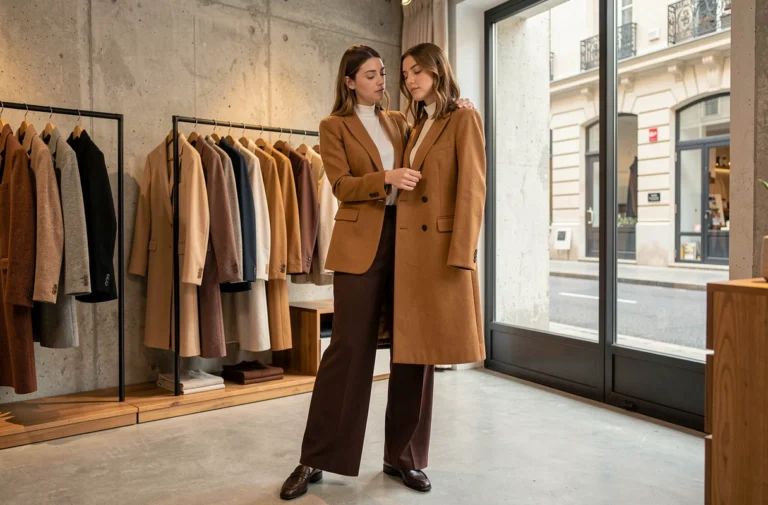
- The structured blazer returns as the central piece of the wardrobe. Worn oversized or fitted, it replaces the short colored jacket from spring. Versions in blended wool or corduroy dominate the shelves.
- The straight jeans take over from barrel jeans, with a less voluminous cut at the hips. Raw or slightly faded finishes are favored, in indigo or black shades.
- The midi skirt, worn with boots or loafers, settles into the back-to-school wardrobes. Fluid materials (crepe, washed satin) coexist with more dressed-up pleated versions.
Fluid trousers remain a solid alternative to jeans for office looks. Knitwear, in all its forms (oversized sweaters, knitted polos, long cardigans), complements these silhouettes with an emphasis on textures rather than prints.
Prints: Leopard Persists, Others Calm Down
The leopard print, already very visible last season, continues to occupy store windows. Available data does not predict its longevity beyond this fall, but its presence remains strong on blouses, scarves, and skirts.
Floral prints are more discreet than in spring. Geometric patterns and stripes appear sporadically, without establishing themselves as a major trend. This season favors textures over patterns: velvet, twisted knit, soft leather count more than printed ornamentation.
Dark Romance and Opulence on the Fall-Winter 2026 Runways
The fall-winter 2026 shows have revived an aesthetic dubbed “dark romance” by industry observers. Dark velvets, black lace, layers of transparent fabrics over opaque bases: the visual vocabulary borrows from gothic romanticism without falling into costume.
This trend coexists with a return to embraced opulence. Visible embroidery, heavy fabrics, golden accessories: the runways have multiplied signals of a more demonstrative fashion after several seasons dominated by minimalism.
The translation into ready-to-wear remains partial. The most accessible pieces of this trend are lace blouses, velvet jackets, and chunky chain jewelry. Wearing a single “dark romance” piece with straight jeans and a neutral blazer is enough to integrate this current without tipping into excess.
Materials and Sustainability: What Regulations Change in the Aisles
The ban on destroying unsold items pushes brands to produce less and better. In practice, this translates to more durable materials (denser weights, systematic linings on jackets) aimed at limiting returns and extending the lifespan of pieces.
Collections with weekly renewals are in the crosshairs of European legislators, which should gradually reduce the supply of disposable pieces at very low prices.
To create a stylish look this season, the most relevant reflex is to invest in versatile pieces (blazer, straight jeans, quality knitwear) rather than ephemeral micro-trends. Deep neutral colors, textured knits, and one or two statement pieces (velvet, lace, leopard print) are enough to build a complete wardrobe without multiplying purchases.